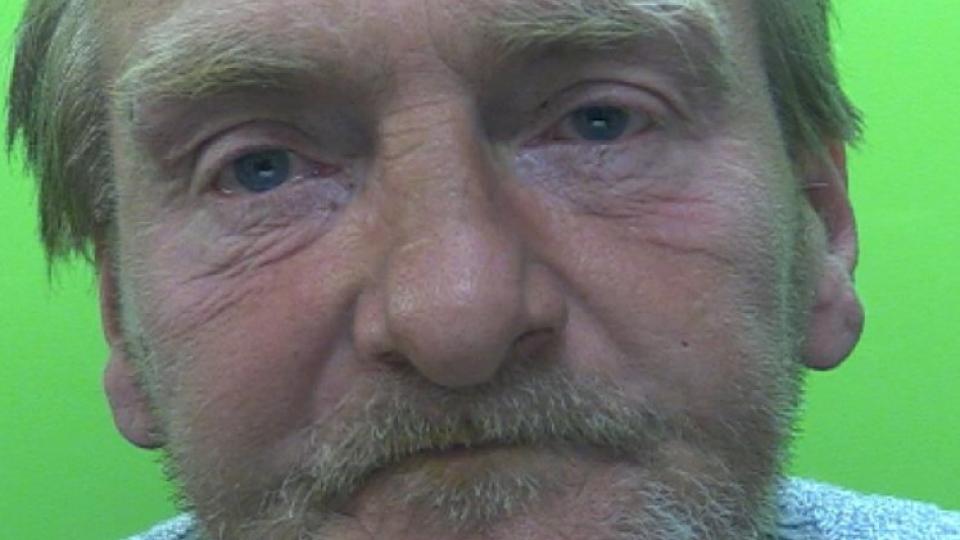
A Newark man has been convicted for repeatedly breaching a Community Protection Notice (CPN), with the Court also granting a two-year Criminal Behaviour Order (CBO) to help prevent further anti-social behaviour.
At Nottingham Magistrates' Court on Monday 3 August 2026, Graham Watson, 54, was found guilty of breaching a Community Protection Notice issued by Newark and Sherwood District Council.
The prosecution followed ongoing reports of anti-social behaviour linked to persistent street drinking in Newark town centre. Complaints received by the Council and Nottinghamshire Police included public urination and defecation, shouting, swearing, drunken behaviour, arguments and fighting, leaving residents, visitors and businesses feeling intimidated and unsafe.
Mr Watson was issued with a Community Protection Warning before being served with a Community Protection Notice (CPN) on 21 October 2025. A CPN is designed to stop behaviour that has a detrimental impact on the local community, and breaching it is a criminal offence.
Mr Watson was issued with a £100 Fixed Penalty Notice for an earlier breach of the CPN which remains unpaid.
Further breaches of the notice were recorded by both Newark and Sherwood District Council's Community Protection Officers and the Council's CCTV Control Room team. CCTV operators observed Mr Watson drinking in a group on Bridge Street on 1 April and 25 April 2026, while Community Protection Officers witnessed him drinking in a group on the steps of Barnby Gate Methodist Church on 23 April 2026.
Mr Watson did not attend Court, and the Magistrates proceeded with the case in his absence. He was found guilty, fined £300 and ordered to pay a victim surcharge of £120.
Following the conviction, the Court also granted a two-year Criminal Behaviour Order (CBO) following an application led by Newark and Sherwood District Council in partnership with Nottinghamshire Police.
A Criminal Behaviour Order can only be made following a conviction where the Court is satisfied that an individual's behaviour has caused, or is likely to cause, harassment, alarm or distress. The order is intended to prevent further anti-social behaviour, and breaching it is a criminal offence that can result in a fine or imprisonment.
Councillor Paul Taylor, Portfolio Holder for Public Protection and Community Relations at Newark and Sherwood District Council, said:
Anti-social behaviour can have a significant impact on residents, businesses and visitors, making people feel intimidated and unsafe in their own community.
This case demonstrates our commitment to using the powers available to us to tackle persistent anti-social behaviour and to working closely with Nottinghamshire Police to protect our communities.
Where individuals repeatedly ignore warnings and continue behaviour that negatively affects others, we will not hesitate to take robust enforcement action.
Inspector Charlotte Ellam, District Commander for Newark and Sherwood, said:
We know how much of a detrimental impact ASB has on our communities, so will always look to take action as a neighbourhood policing team against anyone involved in this.
In this case, both ourselves and the council have received numerous reports of Graham Watson's bad behaviour, so were pleased to be able to support them in ultimately securing this criminal behaviour order.
With the CBO now making it a criminal offence for Watson to attend certain locations, drink out in public and act in a certain way, our hope is this will stop his antics for good and provide the public with some respite.
Anyone who wishes to report anti-social behaviour can speak to the District Council’s ASB team, in confidence, about any issues or concerns they may have. To register an anti-social behaviour complaint, contact the District Council or use the online anti-social behaviour reporting form.
If a crime is in progress or life is in danger, dial 999. To report non-urgent antisocial behaviour contact the police on 101.